Program Overview
The American Sign Language (ASL) minor offers students the opportunity to build strong communication skills while deepening their understanding of Deaf culture, history and community. Grounded in the College of Education’s commitment to equity, inclusion, and excellence, the program prepares students to engage meaningfully with Deaf individuals across diverse contexts.
Students in the ASL minor develop expressive and receptive ASL skills at the intermediate level, while also examining the cultural, historical and social dimensions of Deaf life. Coursework focuses on respectful interactions, recognition of dialect differences and the importance of accessibility and advocacy in fostering inclusive environments.
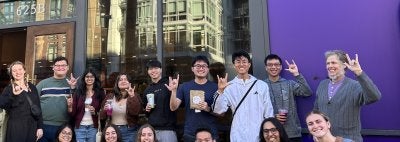
A hallmark of the program is its integration of experiential learning. University of Maryland is located in the Washington, DC, Maryland, and Virginia (DMV) area, which is known for one of the nation's largest Deaf communities. Students will benefit from immersive opportunities to interact with primary signers from varied backgrounds. These experiences are integrated in coursework, community-based assignments and a culminating capstone project.
The ASL minor consists of five courses; four required classes and one elective course. Core courses build language proficiency and cultural knowledge, while elective courses allow students to explore related areas in linguistics, education, and hearing and speech studies. Across the sequence, students strengthen their ASL communication skills and gain tools for advocacy, accessibility and cross-cultural understanding, which will enhance any field of study.
By combining language learning, cultural exploration and real world applications, the ASL minor prepares students to bridge communities, remove barriers, and contribute to a more inclusive and connected society.
One
of the largest Deaf communities in the country is here in the DMV area
Learning Goals
The ASL Minor enhances expressive and receptive ASL skills through the triad of (a) immersive experiential learning opportunities engaging with fluent signers, (b) ASL coursework at foundational and intermediate levels and (c) interwoven discussion of Deaf culture, history, community and advocacy. Students gain greater understanding as they work towards the following educational objectives:
- Develop competency of expressive and receptive ASL skills (e.g., visual gestures, facial expressions, fingerspelling) at the intermediary level.
- Recognize intersectionality of identities in Deaf community through exposure to multiple dialects and signing styles.
- Demonstrate understanding of Deaf culture, history, and community through responsive and respectful interactions.
- Engage in advocacy aligned to goals of Deaf led organizations (e.g., accessible spaces)
Students Planning to Continue Studies Post Graduation: Following completion of the American Sign Language Proficiency Assessment achieve a score of 2.0 or higher (pragmatics and linguistics).
Career Options
The ASL minor supports professionals in any career as they explore inclusive environments and ways to remove barriers to interaction through greater understanding of Deaf community and culture. These tools are critical to leaders in any industry as they work with diverse populations and advocate for equity.
Student Testimonials
Mellisa Tsai, criminal jusitce major
Katherine Groen, neuroscience major
How to Apply
How to Apply
Following successful completion of CHSE 476: Communicating with Sign Language with a C+ or higher, students may apply to the minor by submitting a letter of interest and short video.
Submit a Letter of Interest (up to three pages) answering the following questions:
- Why are you interested in pursuing a minor in ASL?
- What important skills and competencies did you learn in CHSE 376 and 476? What do you hope to learn as you progress through the program?
- What do you enjoy about ASL? What do you find challenging about ASL? What types of support will you need to be successful in the program?
- What unique perspectives, lens, or diverse experiences will you bring to the program? Why are varied perspectives important?
Submit a Video Response using ASL (1-3 minutes) addressing the questions below:
- Open with your name (introduction)
- Share your declared major
- Who was your CHSE 476 instructor and when did you take the course?
- What motivated you to take CHSE 376 and continue to the CHSE 476 course? Why do you want to pursue the ASL minor?
- Closing comment (e.g., thank you, well wishes)
Requirements
Program Requirements
Through a combination of classroom instruction and real-world experiences, students develop the skills and cultural understanding needed to communicate effectively and respectfully with members of the Deaf community.
Course Title | Classroom Skills | Sample Experiential Learning Opportunities
| |||||||||||||||||||||||||||||||||||||||||||||||||||||||||||||||||||||||||||||||||||||||||||||||||||||||||||||||||||||||||||||||||||||||||||||||||||||||||||||||||||||||||||||||||||||||||||||||||||||||||||||||||||||||||||||||||||||||||||||||||||||||||||||||||||||||||||||||||||||||||||||||||||||||||||||||||||||||||||||||||||||||||||||||||||||||||||||||||||||||||||||||||||||||||||||||||||||||||||||||||||||||||||||||||||||||||||||||||||||||||||||||||||||||||||||||||||||||||||||||||||||||||||||||||||||||||||||||||||||||||||||||||||||||||||||||||||||||||||||||||||||||||||||||||||||||||||||||||||||||||||||||||||||||||||||||||||||||||||||||||||||||||||||||||||||||||||||||||||||||||||||||||||||||||||||||||||||||||||||||||||||||||||||||||||||||||||||||||||||||||||||||||||||||||||||||||||||||||||||||||||||||||||||||||||||||||||||||||||||||||||||||||||||||||||||||||||||||||||||||||||||||||||||||||||||||||||||||||||||||||||||||||||||||||||||||||||||||||||||||||||||||||||||||||||||||||||||||||||||
CHSE 376: Fundamentals of Sign Language |
| Signing Starbucks in DC to apply class concepts and interact with the employees and patrons at the site.
| |||||||||||||||||||||||||||||||||||||||||||||||||||||||||||||||||||||||||||||||||||||||||||||||||||||||||||||||||||||||||||||||||||||||||||||||||||||||||||||||||||||||||||||||||||||||||||||||||||||||||||||||||||||||||||||||||||||||||||||||||||||||||||||||||||||||||||||||||||||||||||||||||||||||||||||||||||||||||||||||||||||||||||||||||||||||||||||||||||||||||||||||||||||||||||||||||||||||||||||||||||||||||||||||||||||||||||||||||||||||||||||||||||||||||||||||||||||||||||||||||||||||||||||||||||||||||||||||||||||||||||||||||||||||||||||||||||||||||||||||||||||||||||||||||||||||||||||||||||||||||||||||||||||||||||||||||||||||||||||||||||||||||||||||||||||||||||||||||||||||||||||||||||||||||||||||||||||||||||||||||||||||||||||||||||||||||||||||||||||||||||||||||||||||||||||||||||||||||||||||||||||||||||||||||||||||||||||||||||||||||||||||||||||||||||||||||||||||||||||||||||||||||||||||||||||||||||||||||||||||||||||||||||||||||||||||||||||||||||||||||||||||||||||||||||||||||||||||||||||
CHSE 476: Communicating with Sign Language |
| Gallaudet University campus tour with opportunities to meet Gallaudet students and engage in conversation. | |||||||||||||||||||||||||||||||||||||||||||||||||||||||||||||||||||||||||||||||||||||||||||||||||||||||||||||||||||||||||||||||||||||||||||||||||||||||||||||||||||||||||||||||||||||||||||||||||||||||||||||||||||||||||||||||||||||||||||||||||||||||||||||||||||||||||||||||||||||||||||||||||||||||||||||||||||||||||||||||||||||||||||||||||||||||||||||||||||||||||||||||||||||||||||||||||||||||||||||||||||||||||||||||||||||||||||||||||||||||||||||||||||||||||||||||||||||||||||||||||||||||||||||||||||||||||||||||||||||||||||||||||||||||||||||||||||||||||||||||||||||||||||||||||||||||||||||||||||||||||||||||||||||||||||||||||||||||||||||||||||||||||||||||||||||||||||||||||||||||||||||||||||||||||||||||||||||||||||||||||||||||||||||||||||||||||||||||||||||||||||||||||||||||||||||||||||||||||||||||||||||||||||||||||||||||||||||||||||||||||||||||||||||||||||||||||||||||||||||||||||||||||||||||||||||||||||||||||||||||||||||||||||||||||||||||||||||||||||||||||||||||||||||||||||||||||||||||||||||
CHSE 477: ASL III: Intermediate Sign Language Communication
|
| Visual ASL arts connection at local venues (e.g., poetry, play) to explore extended ASL dialogue. | |||||||||||||||||||||||||||||||||||||||||||||||||||||||||||||||||||||||||||||||||||||||||||||||||||||||||||||||||||||||||||||||||||||||||||||||||||||||||||||||||||||||||||||||||||||||||||||||||||||||||||||||||||||||||||||||||||||||||||||||||||||||||||||||||||||||||||||||||||||||||||||||||||||||||||||||||||||||||||||||||||||||||||||||||||||||||||||||||||||||||||||||||||||||||||||||||||||||||||||||||||||||||||||||||||||||||||||||||||||||||||||||||||||||||||||||||||||||||||||||||||||||||||||||||||||||||||||||||||||||||||||||||||||||||||||||||||||||||||||||||||||||||||||||||||||||||||||||||||||||||||||||||||||||||||||||||||||||||||||||||||||||||||||||||||||||||||||||||||||||||||||||||||||||||||||||||||||||||||||||||||||||||||||||||||||||||||||||||||||||||||||||||||||||||||||||||||||||||||||||||||||||||||||||||||||||||||||||||||||||||||||||||||||||||||||||||||||||||||||||||||||||||||||||||||||||||||||||||||||||||||||||||||||||||||||||||||||||||||||||||||||||||||||||||||||||||||||||||||||
CHSE 480: Deaf Culture, History, and Community
|
| Students develop a capstone project that includes 8 hours of immersive ASL experiences. | |||||||||||||||||||||||||||||||||||||||||||||||||||||||||||||||||||||||||||||||||||||||||||||||||||||||||||||||||||||||||||||||||||||||||||||||||||||||||||||||||||||||||||||||||||||||||||||||||||||||||||||||||||||||||||||||||||||||||||||||||||||||||||||||||||||||||||||||||||||||||||||||||||||||||||||||||||||||||||||||||||||||||||||||||||||||||||||||||||||||||||||||||||||||||||||||||||||||||||||||||||||||||||||||||||||||||||||||||||||||||||||||||||||||||||||||||||||||||||||||||||||||||||||||||||||||||||||||||||||||||||||||||||||||||||||||||||||||||||||||||||||||||||||||||||||||||||||||||||||||||||||||||||||||||||||||||||||||||||||||||||||||||||||||||||||||||||||||||||||||||||||||||||||||||||||||||||||||||||||||||||||||||||||||||||||||||||||||||||||||||||||||||||||||||||||||||||||||||||||||||||||||||||||||||||||||||||||||||||||||||||||||||||||||||||||||||||||||||||||||||||||||||||||||||||||||||||||||||||||||||||||||||||||||||||||||||||||||||||||||||||||||||||||||||||||||||||||||||||||
CHSE 377: Communicating with Sign Language Lab
The ASL Level 1 Lab is designed for the students to practice American Sign Language (ASL) as a complement to the instruction provided in CHSE 376. This course provides a supportive and interactive learning environment where students can refine their ASL skills, receive feedback from instructors and peers, and deepen their understanding of ASL linguistics and culture. Participation in lab sessions is integral to the overall learning experience by making critical connections to classroom instruction (CHSE 376) and supporting proficiency in ASL communication. All participants must also be enrolled in CHSE with access to True Way ASL Unit 1-3.
EDHD241 Are Two Languages Better than One: The Science and Controversy of Bilingualism (3 Credits)
Examines the big question: Are two languages better than one? We will study the science of bilingualism: contemporary theories; research; controversies surrounding bilingual education; nature vs. nurture; first language acquisition. Additional studies cover: who is bilingual, how children become bilingual, factors that influence bilingual development, bilingual benefits and impact on brain development; bilingual education policy.
EDSP411 Foundations of Technology Integration for Curriculum Access (3 Credits)
Addresses ways to integrate technology and Assistive Technology (AT) into content area instruction, use Accessible Educational Materials (AEM), and the Universal Design for Learning (UDL) framework to evaluate, analyze, and develop responsive instruction.
HESP420 Deaf Culture and ASL for the CSD Professional (3 Credits)
Studying Deaf Culture and American Sign Language is crucial in enhancing the culturally competent practice of allied health professionals. This course explores the politics of (dis)ability through the lens of the experience of d/Deafness and the emergence of the Deaf community as a linguistic and cultural group in the United States, as well as issues that impact the provision of services to this population.
LING 200 Introductory Linguistics (3 Credits)
An exploration of the nature of human language. Introduction to the basic concepts and methodology of modern linguistic analysis (sound systems, word formation, sentence structure). Examination of the factors that contribute to dialect differences and the social implications of language variation. Additional topics may include: semantics, pragmatics, language change, writing systems, typology, language universals, comparison with other communication systems.
LING 240 Language and Mind (3 Credits)
The study of language as a cognitive phenomenon. Ways of representing people's knowledge of their native language, ways in which that knowledge is attained naturally by children, and how it is used in speaking and listening. Additional topics may include: animal communication, language and the brain, language and thought.
TLPL 253: Language Rights and Repression in Education (3 Credits)
Many English-speaking Americans view societal monolingualism and English-speaking in schools as the standard. The proposed course will delve deeply into issues associated with language, language rights, education, and linguistic repression in schooling. The Big Question of our time this course asks is: Are access to education and native language maintenance civil rights? Human rights?
TLPL441 Methods for Teaching Multilingual Learners (3 Credits)
Draws on current research to present methods of teaching English to speakers of other languages and challenges participants to analyze and apply successful classroom practices that address the needs of culturally and linguistically diverse learners (also known as English Language Learners, English Learners).
TLPL442 Foundations of Literacy and Biliteracy Development (3 Credits)
An overview of the research on literacy and biliteracy development for English learners. Specifically, the course explores the theoretical models and processes of teaching reading and writing, current literacy/biliteracy issues, assessment, and strategies for developing literacy and biliteracy skills for English learners.
TLPL443 Cross-Cultural Communication and Multilingual Learners (3 Credits)
Participants will research and critically reflect upon aspects of culture as a basis to understand students and to develop principles to guide culturally inclusive teaching decisions. Participants will better understand the role of culture and language in schooling in order to create classrooms where culturally and linguistically diverse students (also known as English Language Learners, English Learners) can succeed.
Contact
Contact