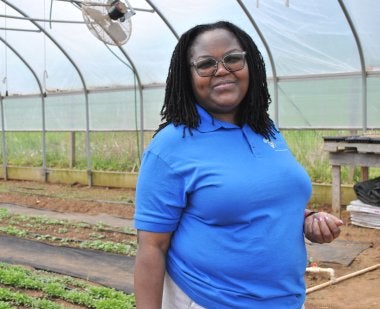
Culture shock hit Truphena Choti Ph.D. ’09 hardest the first time she rolled a cart down a kaleidoscopic U.S. grocery store aisle after immigrating from Kenya more than 20 years ago.
The international graduate student and young mother grew up in a rural community of the Gusii people in southwest Kenya, where “food was connected to land, culture and community,” she said. In the United States, however, she was surrounded by foods whose names, ingredients and methods of preparation were unfamiliar. “The food system I encountered did not have me in mind when it was being designed,” she said.
As she connected with other African immigrants, she learned that many of them shared similar experiences of struggling to access culturally relevant, nutritious food.
In 2019, after completing her doctorate in international education policy at the University of Maryland and spending a decade working at nonprofit organizations to advance education and international development, Choti founded the nonprofit AfriThrive, along with her husband, Charles, a scholar of African history, culture and politics. Today, the organization grows indigenous African vegetables on multiple farms and gardens in Maryland and has distributed 2.5 million pounds of free food to more than 50,000 families in Montgomery, Baltimore and Prince George’s counties, as well as Baltimore and Washington, D.C. Funding comes through government, corporate and foundation grants and community donations.
“For me, food is deeply tied to identity, dignity and health,” said Truphena Choti, who serves as AfriThrive’s CEO. “When we created AfriThrive, we wanted an entity that could honor people’s culture, restore dignity and build long-term community resilience.”
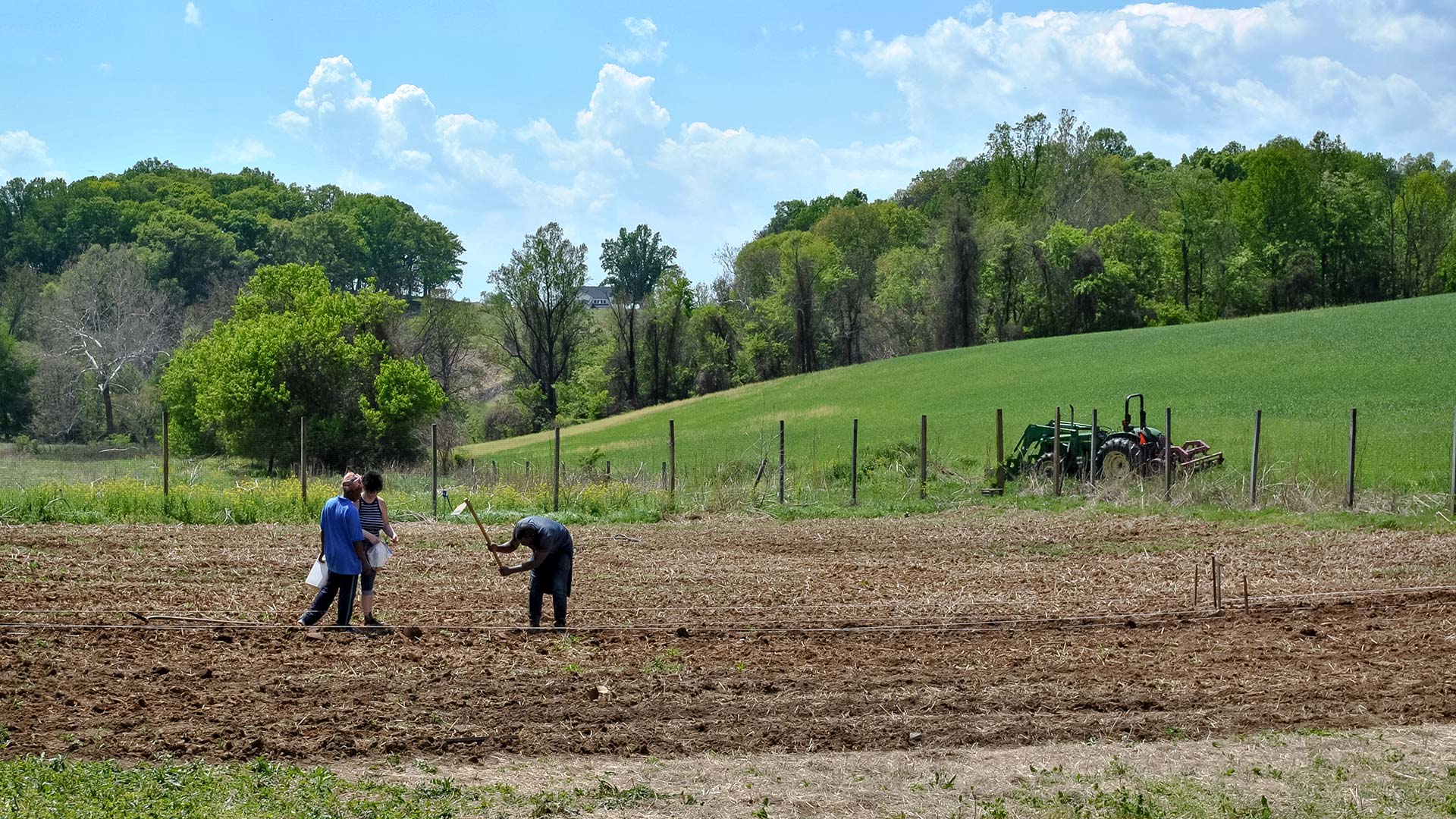
Last Friday, the organization opened a new 1-acre field and renovated greenhouse at Madison Fields Farm in Dickerson, Md., in partnership with the Madison House Autism Foundation. Adults on the autism spectrum work with AfriThrive to plant and grow crops commonly used in traditional African cuisine, such as amaranth, cowpeas, arugula, spinach, kale and African spider leaf, a leafy green vegetable often eaten boiled or in stews or soups. African spider leaf is difficult to find in the United States, and AfriThrive imported the seeds for this crop directly from Kenya.
This newest farm joins AfriThrive’s 2-acre flagship Cultural Farm in Poolesville, 1-acre farm in Clarksburg, and a community garden and an elementary school garden in Silver Spring. In addition to cultivating crops for food distribution, the farms and gardens offer education programs to teach community members, many of whom farmed or gardened in their homelands, how to adapt to Maryland’s climate and soils.
“We are deeply entrenched in the community,” said Charles Choti, AfriThrive’s director of community engagement and partnerships, noting that it is often difficult for mainstream nonprofits to reach the populations AfriThrive serves because of cultural differences. “AfriThrive recognizes people where they’re coming from. We have helped our people create increased solidarity and build confidence and trust.”
Elizabeth Kilwake of Silver Spring first encountered AfriThrive in 2020 as a beneficiary, receiving fresh food each week. She later became one of the organization’s 100 volunteers, first distributing food and now planting, tending and harvesting crops on the farms. Kilwake credits AfriThrive for helping her recover after being bedridden for more than two years.
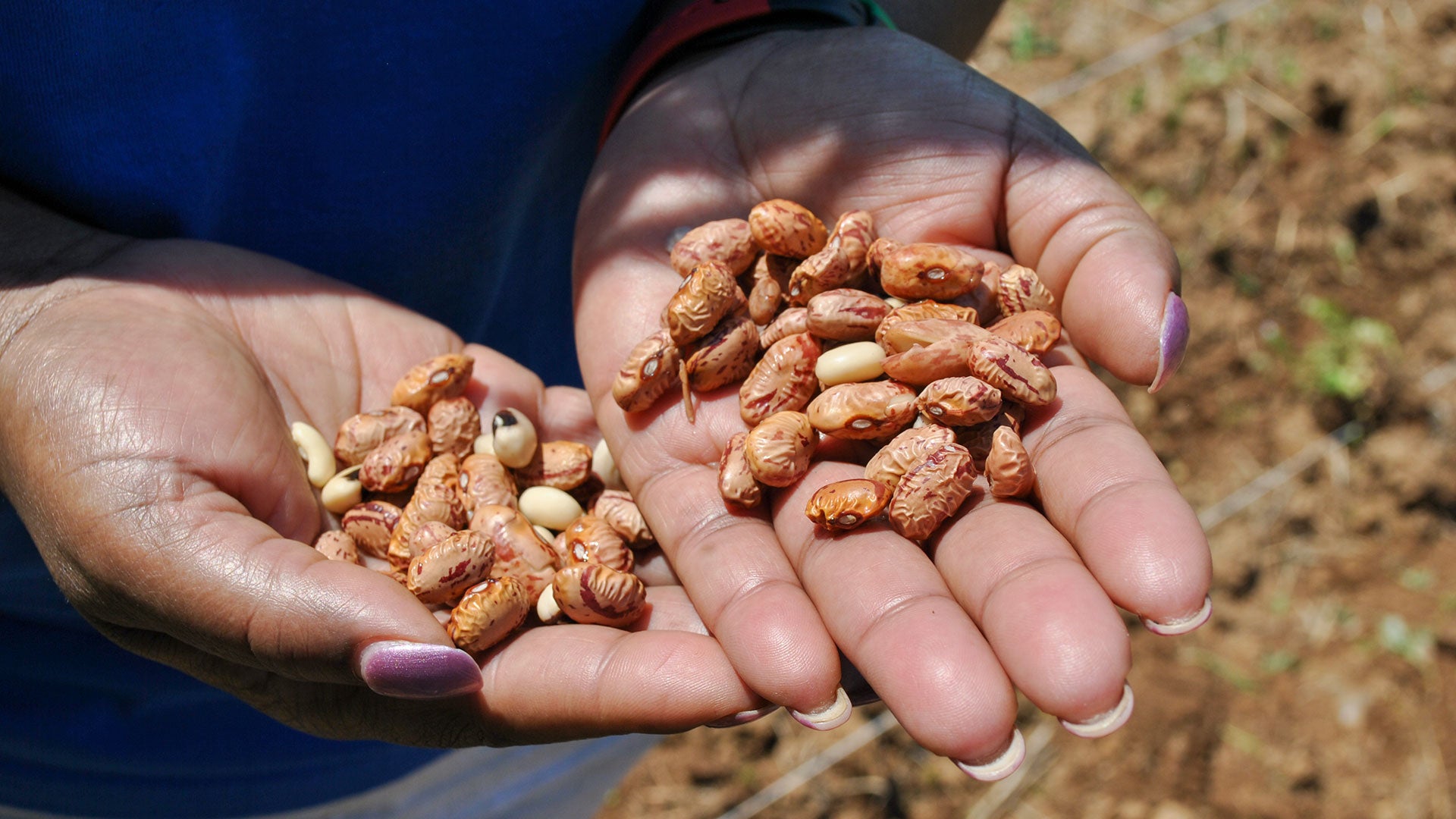
“Just the joy of being outside and having a connection with the ground, and growing food the way we use to grow it in Kenya, really has enriched me,” said Kilwake. “It did wonders for me to gain strength through that organic food and the community. You come and you speak your language and you feel at home.”
Although the organization was founded specifically with African immigrants in mind, the team has found that many of the vegetables AfriThrive grows and distributes are culturally appropriate for other immigrant groups as well. AfriThrive now serves Asian and Latin American immigrants in addition to the African immigrant community.
“AfriThrive is a universe. People from all over the world come to get their food or to help. That’s the beauty of it,” said Gity Nabaiee of Silver Spring, who has been helping to distribute food for AfriThrive as a volunteer since 2019.
Because food insecurity is frequently interconnected with other challenges, AfriThrive also provides services such as financial literacy training and resume building. After the team observed that many children in immigrant families needed access to high-quality programming before and after school and on weekends while their parents worked two or three jobs, it launched the Youth Empowerment Program. Young people develop a sense of pride and identity as they help grow food on the farms, participate in workshops related to academics and careers, share their family immigration stories and connect with elders in the community, said Truphena Choti.
Also, because diet and food insecurity link to many chronic health issues, AfriThrive launched its Food Is Medicine program in partnership with medical professionals and dietitians. The program teaches how traditional foods can enhance health and well-being; for example, pumpkin leaves may help boost immunity, lower cholesterol and regulate blood sugar.
“We’re addressing food justice from the seed to the fork and everything in between,” said Brennan Standel, AfriThrive’s farm operations manager.
As AfriThrive expands to serve the community—with plans next year to open a community food center in Essex, equipped with cold storage—Truphena Choti intends to continue to honor the community and draw from its strengths.
“I’ve seen incredible resilience and generosity in our community. They know who is new in the community, who has lost their job and needs help. They’re holding each other,” she said. “I’m proud of the community we have built and the trust we have earned. Seeing families feel supported and empowered is heartwarming for me.”