

Intergroup Dialogue Training Hub (InDi Training Hub)
People
The Strength of Shared Leadership
Intergroup dialogue invites participants to engage deeply with content, process, and outcomes. At the Intergroup Dialogue (InDi) Training Hub, we embrace co-directorship because how we lead is just as important as what we achieve. Our collaborative leadership model reflects the core values of dialogue: perspective-taking, viewing conflict as a source of growth, and upholding collective responsibility for change.
For work rooted in bridging divides, this structure is essential. Research shows that shared leadership fosters innovation, inclusive solutions, and community trust. In our model, every voice helps shape both direction and impact. Our structure doesn’t just support our mission—it puts it into practice.
Co-Directors
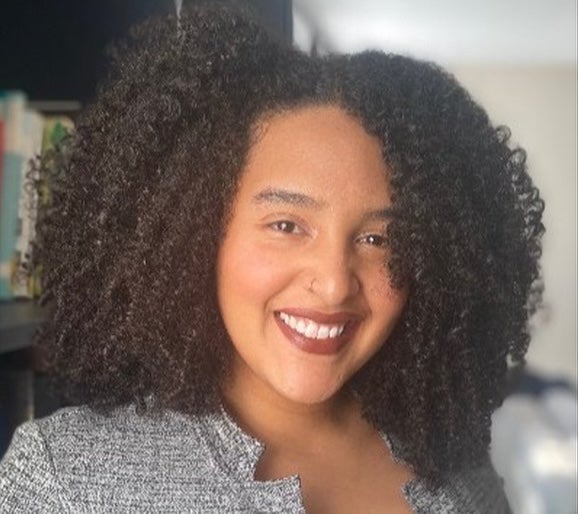
Jazmin Pichardo, M.Ed. (she/her/ella)
Director of Intergroup Dialogue Collaborations & Initiatives
Jazmin Pichardo is is the inaugural Director of Intergroup Dialogue (IGD) Initiatives and Collaborations at the InDi Hub. With over 10 years of experience in higher education, she has worked across a range of functional areas, including outreach, living-learning programs, service-learning, international education, and diversity training. Jazmin holds a Master’s in Student Affairs from the University of Maryland and a B.A. from Vassar College. Previously, she led the Words of Engagement Intergroup Dialogue Program, a key academic initiative that fosters critical conversations across differences.
Jazmin has contributed her expertise to national and international initiatives, including consulting for the U.S. Institute of Peace and the Building Movement Project. Currently pursuing a doctorate in Higher Education Policy at the University of Maryland, her practice and research focus on critical dialogic pedagogy and liberatory educational practices. Jazmin creates spaces for participants to examine their beliefs and the systemic structures that uphold social inequalities. Her approach integrates cognitive and emotional learning, facilitating “head and heart” conversations that encourage participants to develop self-awareness as an essential step toward addressing broader social issues.
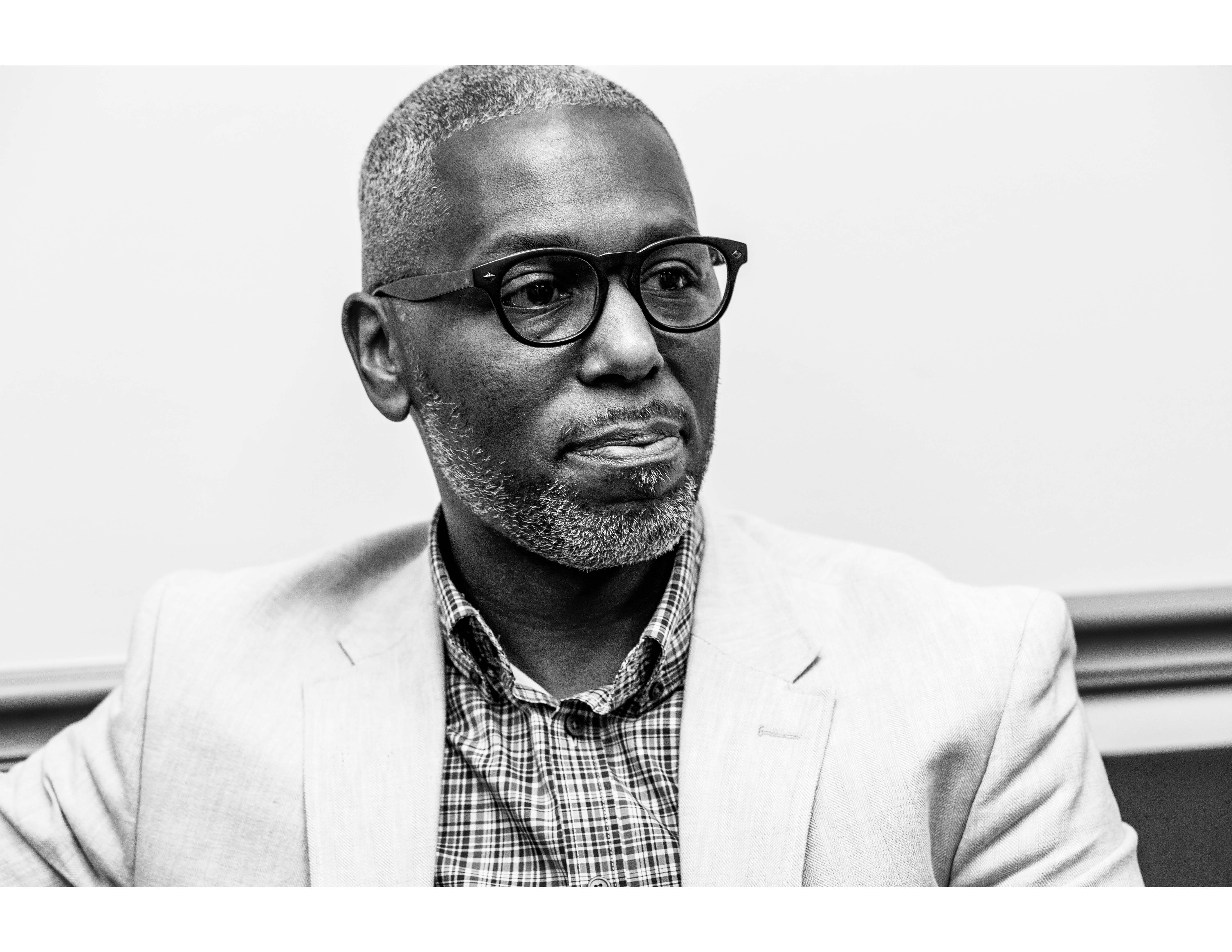
Carlton Green, Ph.D. (he/him/his)
Director of Training & Assessment
Dr. Carlton Green is the inaugural Director of Training & Assessment at the InDi Hub. Dr. Green earned his Ph.D. in Counseling Psychology, and received masters-level training in Mental Health Counseling and Pastoral Ministry, from Boston College. Since then, for more than 20 years, Dr. Carlton Green has held various roles in higher education settings. More specifically, he has worked in multicultural education, student activities, multicultural services, residence life, academic affairs, athletics, and counseling services in both public and private institutions. He regularly facilitates and trains faculty, staff, and Master's and PhD-level students across the country in facilitating intergroup dialogue.
While building collaborative and empowering relationships with students, faculty, and staff, he has always sought to advocate for institutional policies and programs that promote student access and equity. Dr. Green has advised countless student leaders and student organizations, in addition to developing and executing campus-wide retention programs as a Student Affairs administrator. As a mental health professional, he specializes in providing culturally responsive treatment, training, and supervision. In addition, in his role as an Instructor he has developed and implemented culturally inclusive curricula for mental health trainees.
Dr. Green relies on his first-hand experiences with and knowledge of social issues in higher education and mental health settings, while also respecting the unique perspectives of those requesting consultation. He understands that addressing issues related to difference and power in any organization can be emotionally challenging, and he works to ensure that all participants’ voices are heard and validated. Most importantly, he seeks to promote a strengths-based appreciation for unique perspectives, especially among individuals who experience such issues as divisive and negative.
Staff
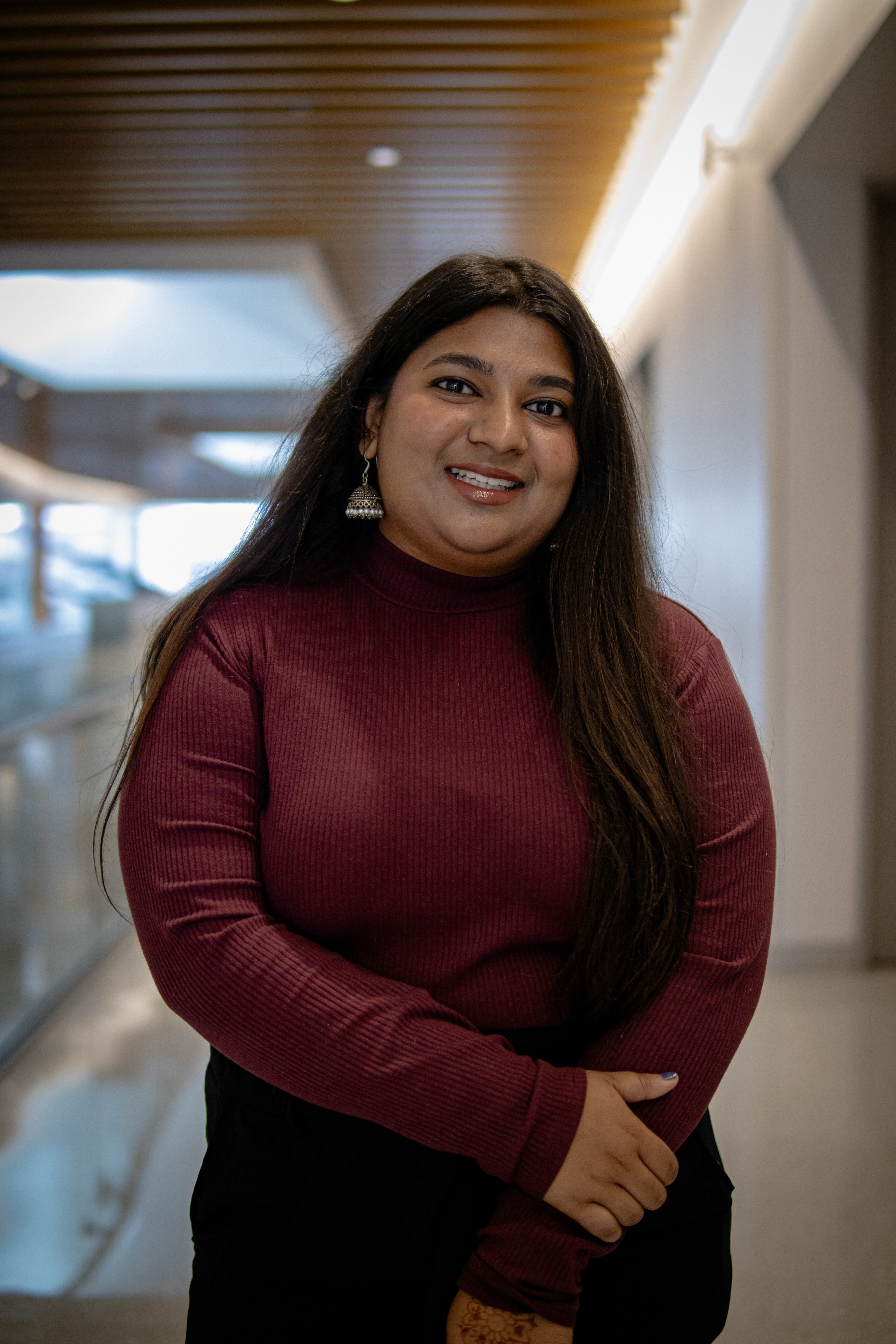
Meghna Chandrasekaran, B.A., B.S. (she/her)
Graduate Student Assistant
Meghna is a Graduate Student Assistant, providing administrative and training support at the IGD Training Hub. She is a first year Masters student in the Higher Education, Student Affairs, and International Education Policy Program, Student Affairs concentration. Her research interests include supporting South Asian students across generational status to and disrupt unique power hierarchies that shape the experience for the diaspora in a higher education context. With a strong dialogue facilitation background rooted in the idea that dialogue as a form of democracy, she strives to build and foster spaces where people can come together, deepen mutual understanding, and create shared meanings.
Affiliate Faculty
The Strength of Shared Leadership
Affiliate Faculty are essential partners in advancing the work of the Intergroup Dialogue Hub. They bring deep expertise, critical perspective, and a shared commitment to equity-minded, dialogic practice. As collaborators and consultants, Affiliate Faculty contribute to the design, facilitation, and ongoing refinement of our programs, while also helping us stay responsive to the evolving needs of our campus communities. Their partnership strengthens our collective capacity to foster meaningful dialogue, deepen learning, and support more just and connected institutional spaces.
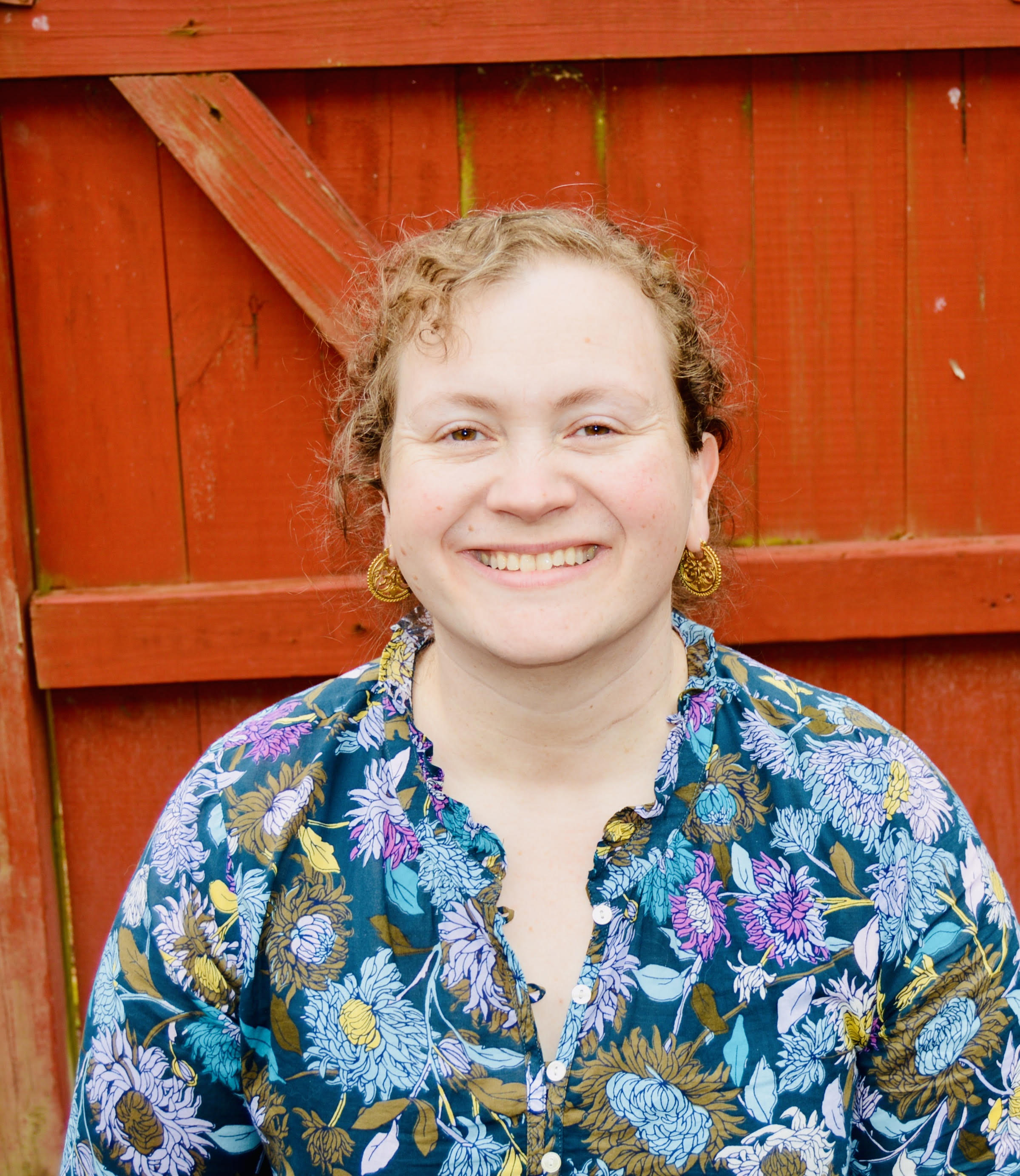
Beth Douthirt Cohen, PhD (she or they)
Head of Strategic Initiatives for Undergraduate Studies
Clinical Faculty
University of Maryland School of Public Health
For over 25 years, Beth has devoted her life to creating dialogical spaces for racial, disability, LGBTQ+, and gender justice and healing—and to challenging the oppressive tactics that continue to shape our world and erode our relationships. She works with leaders and students to cultivate the practical skills, somatic awareness, and compassion needed to transform ourselves and our communities, grounding her work in collective transformation and healing. Beth has facilitated and led intergroup dialogue training throughout the United States, as well as in Kenya and Rwanda, partnering with communities experiencing historical and contemporary conflict. Currently at the University of Maryland School of Public Health, Beth's coaching, research, and teaching invite people to explore how we heal—both individually and collectively—from the trauma of identity-based prejudice, and how we build authentic, durable solidarity across power and identity differences.
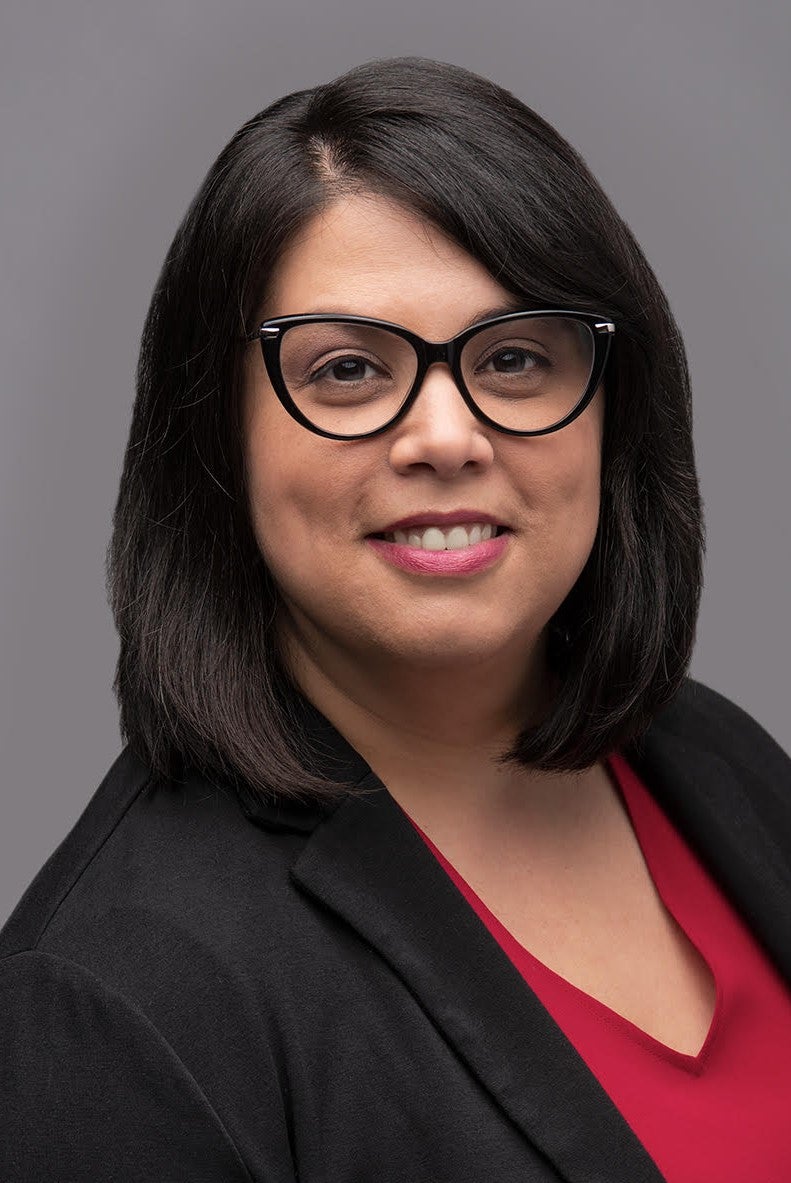
Ileana Gonzalez, PhD (she/her/ella)
Assistant Clinical Professor
University of Maryland College of Education
Dr. Ileana Gonzalez is an Assistant Professor in the Department of Counseling, Higher Education and Special Education (CHSE) and the program director for the School Counseling Program. She gained extensive experience in the field of K-12 education as a teacher and school counselor working with Caribbean populations in South Florida. She earned her Ph.D. in Counselor Education from the University of Maryland, College Park in 2013. Her identity as a first-generation college student and daughter of refugees informs her beliefs in equity and access to a quality education for all students, particularly those from marginalized populations. She has published and presented nationally on social justice action in schools and in higher education settings and on multicultural competence and antiracist training for counselors. Her research interests include multicultural and antiracist counselor education, cultural competence in counseling and social justice action in urban school settings.
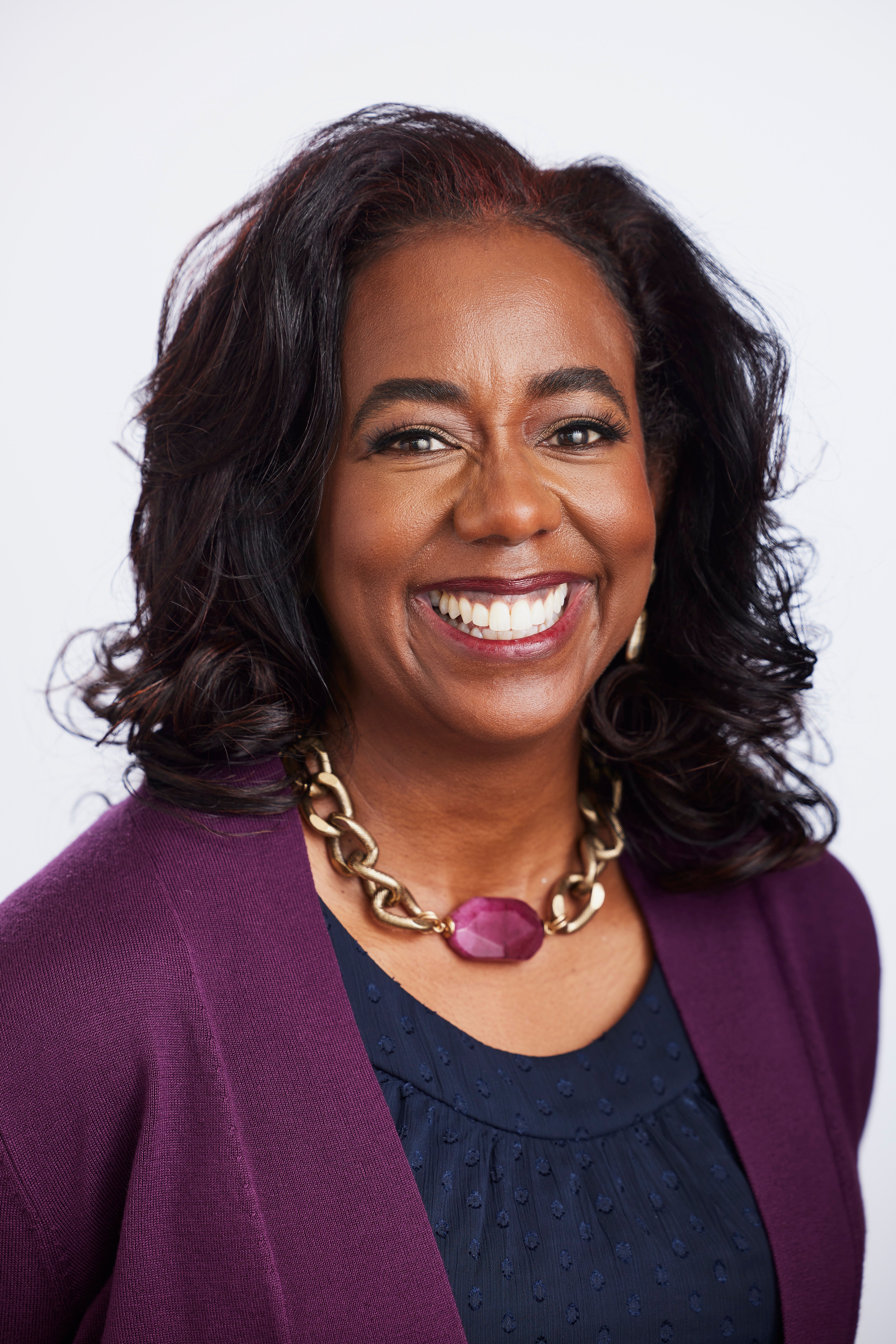
Bridget Turner Kelly, PhD (she/her)
Associate Professor
University of Maryland College of Education
Dr. Kelly is Associate Professor in the Higher Education, Student Affairs, and International
Education Policy Program in the College of Education at the University of Maryland. She earned her master’s and PhD degrees in Social Foundations of Education also from the University of Maryland. Her scholarship focuses on institutional transformation for equity, gender liberation, and emancipatory and innovative methods. She has authored over 50
publications, including, two articles that have been cited in AMICUS briefs for U.S. Supreme
Court cases. Dr. Kelly is an award-winning teacher of intergroup dialogue and presents nationally on the topic. She served on the editorial board of the Journal of Diversity in Higher Education and as Executive Editor for the Journal of Student Affairs, Research and Practice. Dr. Kelly is co-editor of Building Mentorship Networks to Support Black Women: A Guide to Succeeding in the Academy (Routledge) and Black Women Navigating the Doctoral Journey: Student Peer Support, Mentorship and Success in the Academy (Routledge).